Humane Wildlife Removal in Maryland: The Nature Shield Approach
"Humane" gets used loosely in this industry. A lot of companies attach it to their name and never explain what it actually means for the animal on the other end of the job. We talk about who we are on our about page, but this is the longer answer: what humane wildlife removal actually looks like in Maryland, why the method changes depending on what's in your attic, and why compliance isn't a separate concern from being humane. It's the same concern.
What Humane Wildlife Removal Actually Means
Humane doesn't mean every animal gets caught in a box trap and driven to a park. It means using the least harmful method available for that specific species, and in Maryland, state law already decides what that method is allowed to be. A company that promises the same release-into-nature outcome for every animal, regardless of species, is either unfamiliar with Maryland's wildlife regulations or not being upfront about them. We'd rather tell you the real answer.
The real answer depends entirely on what you're dealing with.
Why the Method Changes Depending on the Species
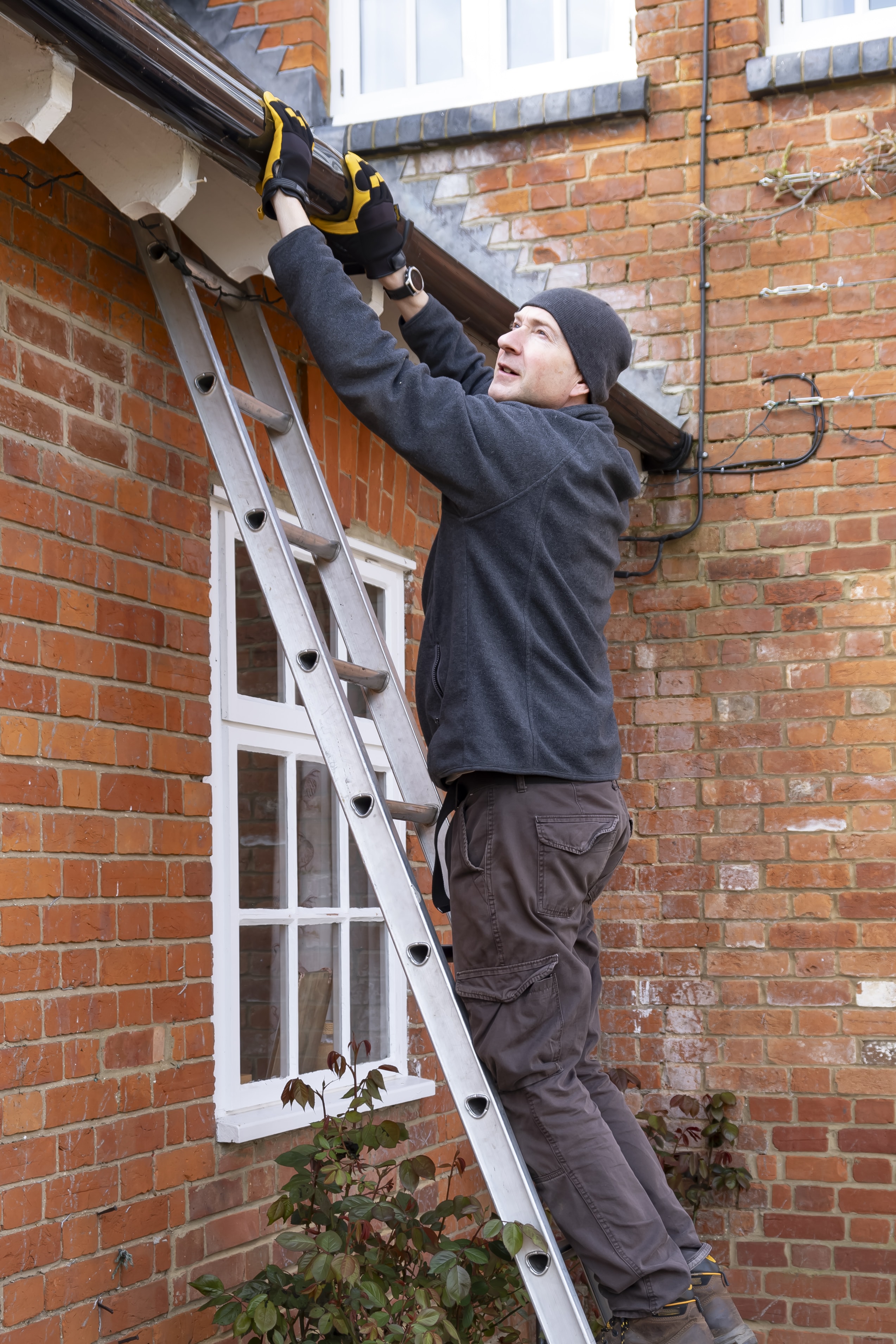
Bats can't legally be trapped or killed under any circumstance in Maryland. The only legal removal method is exclusion, letting the colony leave through a one-way device on its own schedule and sealing the entry points once they're gone. There's no version of bat work that involves a trap.
Birds split into two categories, and getting the category wrong has real legal consequences. Native species are protected and their active nests can't be touched. Non-native pest birds like pigeons, house sparrows, and starlings aren't protected, but confirming which one you actually have has to happen before any nest gets removed, not after.
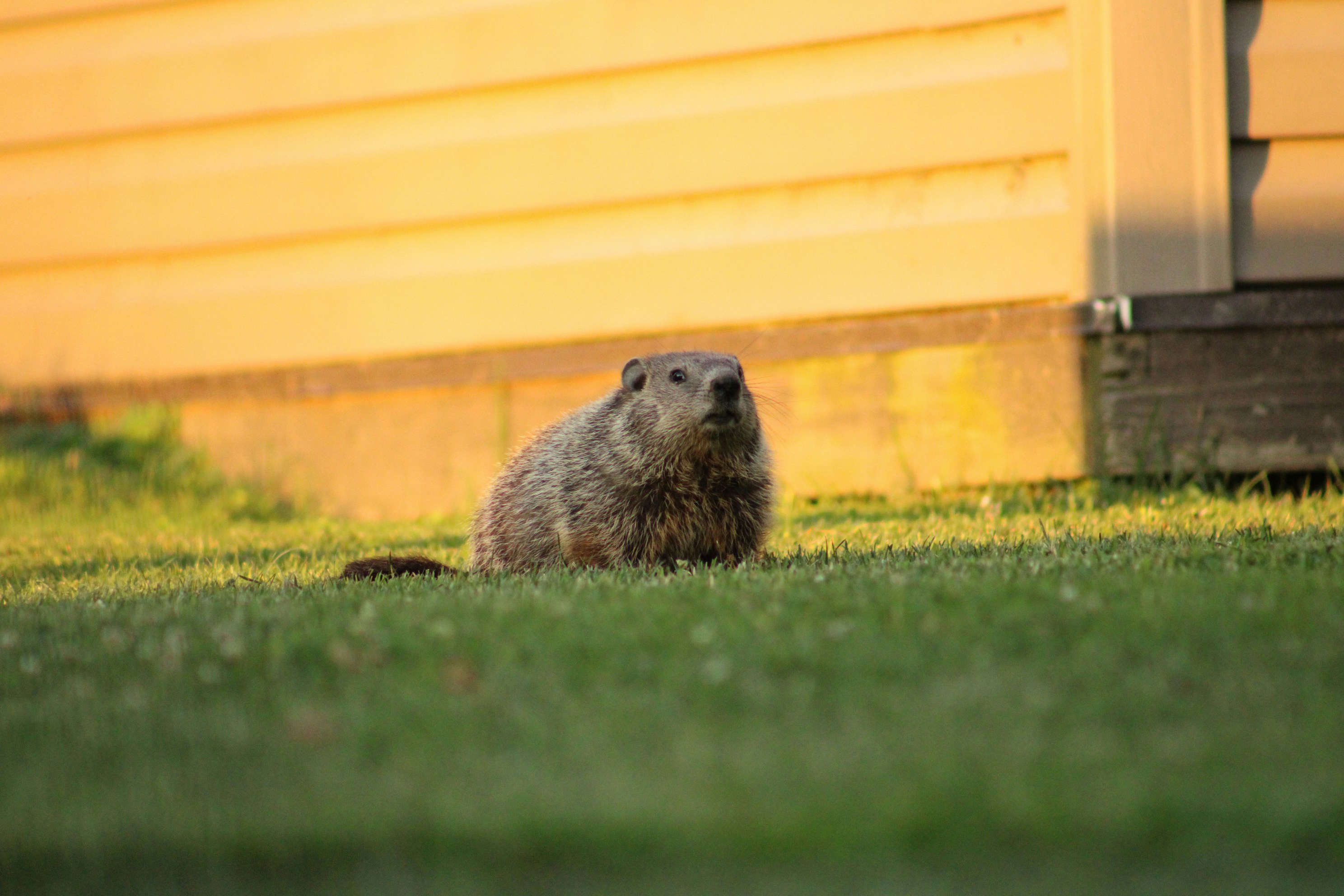
Squirrels, groundhogs, and opossums fall into a more flexible category. With the proper permission, these species can be live trapped and relocated to suitable habitat.
Raccoons, skunks, and foxes are where the flexibility ends. These are classified as rabies vector species, and Maryland regulation prohibits their relocation under COMAR 08.03.15.24, a rule that exists specifically to prevent the human-assisted spread of rabies between counties. In practice, that means a trapped raccoon or skunk is either released on the same property where it was captured or handled through regulated, humane disposition, not driven to a park a few miles away. This is not a Nature Shield preference. It's the same rule for every licensed operator in the state, and it's worth knowing before you hire someone who tells you otherwise.
Compliance Isn't a Footnote, It's the Method
Every one of those distinctions only matters if the company doing the work is actually licensed to know them. Wildlife work in Maryland requires a Wildlife Damage Control Operator permit issued by the Department of Natural Resources, and nuisance bird work involving non-native species runs through a separate Maryland Department of Agriculture certification. Nature Shield holds both, which is part of why we can speak plainly about what's legally required instead of giving you a version that sounds nicer but isn't accurate.
We'd rather lose a job to a homeowner who wanted to hear "we'll relocate everything" than get the species wrong and put you or the animal at legal risk.
Humane Also Means the Problem Doesn't Come Back
There's a part of "humane" that gets skipped over: what happens after the animal is gone. Removing an animal without sealing the way it got in isn't a finished job. It's an invitation for the next one, and it means the same stressful capture process happens again in a few months, for the animal and for you.
That's why every Nature Shield job pairs removal with exclusion. We seal entry points, repair the damage that got left behind, and back the work with a one-year warranty. Our full home repair and exclusion services exist because getting the animal out is genuinely half the job. The other half is making sure you're not doing this again next spring.
This Approach Applies Across Every Species We Handle
The same standard runs through every service we offer, whether it's bat exclusion, raccoon removal, squirrel removal, or skunk removal. The species changes. The commitment to using the legally correct, least harmful method and finishing the job with real exclusion doesn't.
Serving Homeowners Throughout Maryland
Nature Shield provides licensed, humane wildlife removal throughout Frederick County, Carroll County, Montgomery County, and the surrounding Maryland communities. We're based in Frederick and bring the same standard to every call, regardless of what's making noise in your attic.
Schedule Your Free Inspection
Call Nature Shield at (301) 970-9709 or request your inspection online. We'll tell you exactly what's legally required for your situation, not just what sounds good.