Maryland Bat Removal Laws: Permits, Penalties, and What Homeowners Are Allowed to Do
Bats occupy a strange legal category in Maryland. Unlike squirrels or raccoons, which a licensed operator can trap and remove on a fairly flexible basis, every bat species in the state is protected by law, and the rules governing who can touch them, when, and how are more specific than most homeowners realize. Our guide to how professional bat exclusion works covers the process itself. This article covers the legal side: what the statute actually says, who is allowed to do what, and what happens if the law gets ignored.
The Law That Protects Every Bat Species in Maryland
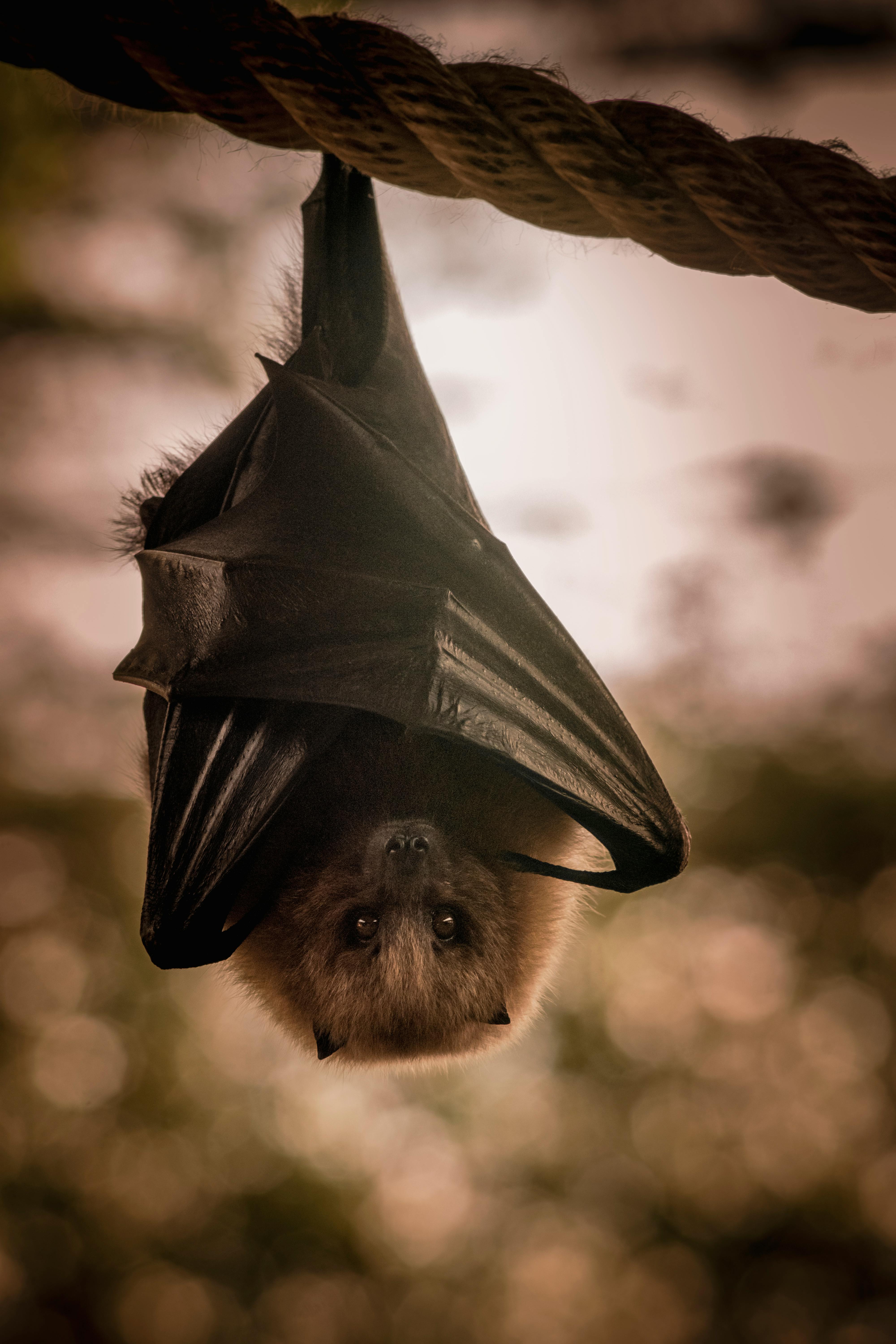
Maryland's bat protections sit inside the Nongame and Endangered Species Conservation Act, codified under the Natural Resources Article, Title 10 of the Annotated Code of Maryland. This law makes it illegal to hunt, kill, trap, capture, or possess native wildlife, including all ten bat species found in Maryland, without a permit or specific legal authorization. That prohibition applies whether the bats in question are a federally listed endangered species or one of Maryland's more common cave-dwelling bats, like the little brown bat or big brown bat found in most residential intrusions.
The practical effect is simple: there is no scenario in Maryland where killing, poisoning, or trapping a bat colony is a legal option, for a homeowner or a company. Exclusion, meaning letting bats leave a structure on their own and sealing the entry points behind them, is the only legal removal method for a colony.
Who Is Legally Allowed to Remove a Bat in Maryland
There is one narrow exception to the permit requirement. If a single bat gets into a living space, Maryland DNR's own guidance confirms a homeowner can remove that individual bat without a permit. That exception covers one disoriented bat, not a colony living in an attic or wall void.
Everything beyond that single-bat scenario requires a state permit. Anyone charging a fee to perform wildlife damage control work in Maryland, including bat exclusion, must hold a Wildlife Damage Control Operator permit issued by the Maryland Department of Natural Resources. Operators who work with bats specifically must also complete a bat informational affidavit as part of that application. Homeowners are legally permitted to exclude bats from their own property without hiring a WDCO, but the same seasonal restrictions and nonlethal-methods requirements described below still apply, and a mistake made during a DIY attempt does not come with a warranty or a second chance if it goes wrong. That single stray bat in the bedroom is also the situation with the highest exposure risk for rabies, which is a reason to still get a health assessment even when no permit is required for the removal itself.
Maryland's Bat Exclusion Season and the Exemption Process
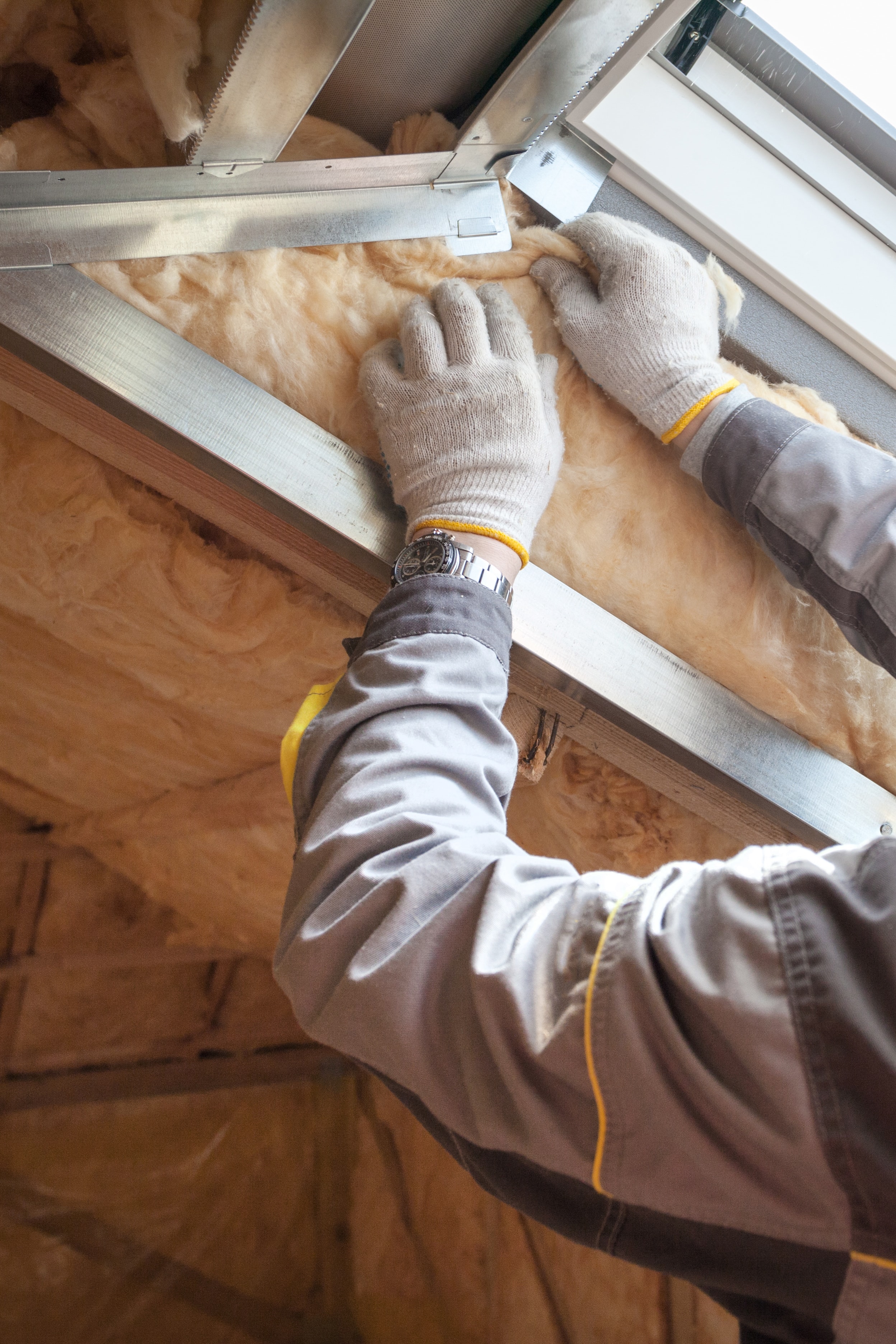
Maryland regulates bat exclusion by season, not just by method. Under the Department of Natural Resources' operator regulations, bat colonies of more than 10 adults require prior approval from the Wildlife and Heritage Service before they can be excluded from a building between March 1 and August 31. Colonies of 10 or fewer adults are not automatically subject to that same prior-approval requirement, but that technical detail matters less in practice than it sounds. Most residential colonies during that window are maternity colonies with flightless pups present, and sealing an entry point while pups are inside is both illegal and guarantees a dead animal problem inside the structure.
This is why the practical guidance, and what any licensed operator will tell you, is that real exclusion work happens after September 1, once the active colony period ends. The window before that is for inspection, planning, and getting entry points mapped so the work is ready to execute the day it becomes legal. If your situation involves a large colony, a listed rare or endangered bat species, or young that are confirmed present, DNR requires a formal Letter of Exemption before any exclusion can proceed, and that approval is not something a homeowner or company can assume they'll get.
Legal Risks and Penalties for Getting It Wrong
Two separate violations can apply here, and they carry different consequences.
Operating as a wildlife damage control business without a valid WDCO permit is a misdemeanor under Maryland law. A company performing bat exclusion without holding this permit is doing the work illegally, regardless of how the job turns out, and any warranty that company offers has no regulatory standing behind it.
Separately, violating the endangered species provisions of the Nongame and Endangered Species Conservation Act carries its own penalty: a fine of up to $1,000, imprisonment of up to one year, or both, along with potential seizure of equipment used in the violation. This tier applies most directly when the species involved is one of Maryland's state-listed endangered bats, which include the Indiana bat, the northern long-eared bat, the tricolored bat, and the eastern small-footed bat.
For a homeowner, the risk isn't abstract. Hiring the wrong company doesn't just mean a failed exclusion. It can mean the work itself was performed illegally on your property, with no license backing it and no legal recourse if something goes wrong.
What This Means If You Have Bats in Your Home Right Now
None of this is a reason to wait. It's a reason to call someone who already holds the license, already knows the exemption thresholds, and already has a compliant process built around the calendar. Nature Shield holds a current Wildlife Damage Control Operator permit issued by the Maryland Department of Natural Resources, and our bat removal service is built around the legal timeline described above, not around promising a faster fix than the law allows.
Serving Homeowners Throughout Maryland
Nature Shield provides licensed bat exclusion and wildlife removal throughout Frederick County, Carroll County, Montgomery County, and the surrounding Maryland communities. We're based in Frederick and respond quickly across our full service area. The earlier you call, the more of the legal window you have to work with once exclusion is permitted.
Schedule Your Free Bat Inspection in Maryland
Call Nature Shield at (301) 970-9709 or request your inspection online. The inspection is free and gives you an honest read on colony size, entry points, and what the legal timeline looks like for your specific situation.