Wildlife Damage Repair in Maryland: What It Costs to Fix What Animals Leave Behind
Getting an animal out of your house answers one question. What it's going to cost to fix what that animal left behind is a different question entirely, and it's the one most homeowners can't answer until someone's already standing in their attic. This isn't a walkthrough of our repair services, we cover that there. This is what actually drives the number on your quote, so you know what you're looking at before the estimate arrives.
Why Repair Cost Varies So Much From One Job to the Next
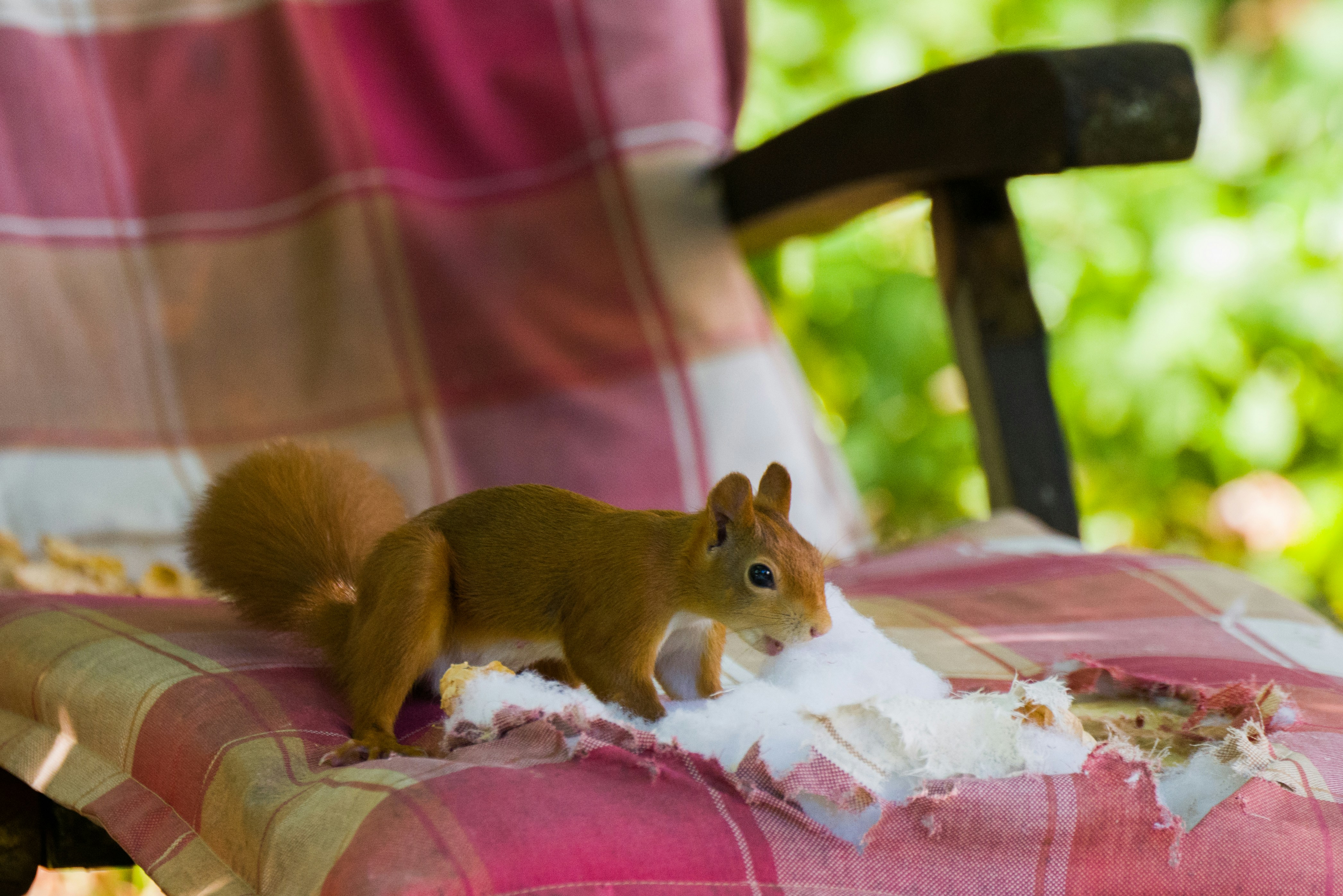
The same symptom, a hole in the soffit or scratching in the attic, can mean wildly different repair scopes depending on three things: how long the animal was in there, how far the contamination spread, and how much structural material got damaged in the process. A squirrel that got in three weeks ago is a different job than a raccoon that denned in the same spot for two winters. That's why an accurate number always starts with an inspection, not a phone call.
Insulation Replacement: Why Contamination Matters More Than Square Footage
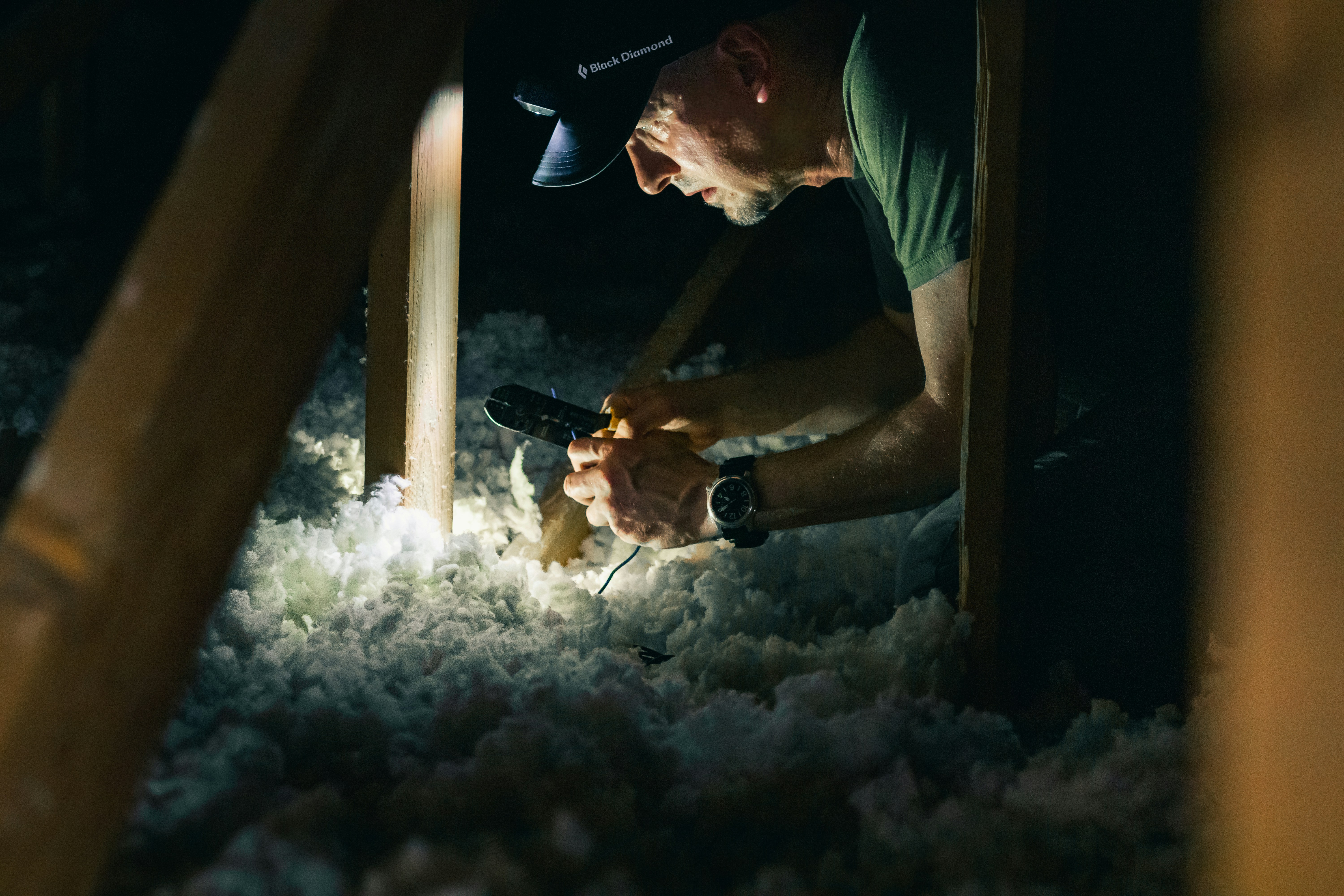
Insulation damage isn't always visible from the attic hatch. The signs to look for are matted or compressed insulation, a persistent odor, visible tunneling or nesting cavities, and staining from urine or droppings. Bat colonies and long-term raccoon dens are the two most common causes of insulation contamination severe enough to require full replacement rather than a spot fix.
The cost driver here is scope, not just square footage. A small area of compressed insulation near one entry point is a minor repair. Insulation saturated with guano or urine across a large section of the attic has to be fully removed and disposed of before new material goes in, and that's a materially different job. Attic size, insulation type, and existing depth all factor in too, but contamination extent is what usually separates a modest repair from a full attic insulation removal and replacement.
Roof and Soffit Repair: Cosmetic Fix or Structural Rebuild?
This is usually where the entry point itself lives, and the damage tends to be visible from the ground if you know what to look for: chewed or torn soffit panels, enlarged gaps at the roofline, gouged fascia boards, or displaced flashing near a vent or chimney.
What separates a cheap fix from an expensive one is whether the damage is cosmetic or structural. A single enlarged gap that a squirrel or bird widened over a few weeks is a straightforward seal-and-repair job. A section of soffit or fascia that's been repeatedly re-entered over multiple seasons, which we see often with raccoons and squirrels, usually means the wood itself is compromised and needs to be replaced, not just patched. Access also matters. A steep roofline or a second-story entry point costs more to work on than a single-story ranch, independent of the damage itself. Roofline nesting from pest birds tends to stay cosmetic and gutter-related rather than structural, which is one of the few cases where the fix is usually cheaper than people expect. Our soffit, fascia, and roofline sealing service covers this scope directly.
Foundation and Crawl Space Sealing: Why the Void Matters More Than the Hole
Groundhogs are the most common cause of foundation-level damage in Maryland, followed by burrowing near decks, sheds, and porch footings. The signs are exterior: fresh mounds of excavated dirt, a visible burrow entrance, or a void you can feel underfoot near a foundation wall.
Cost here depends on how extensive the tunneling is and what it's undermining. A single burrow away from any load-bearing structure is a contained repair. Tunneling that runs under a porch footing, a deck post, or close to the foundation itself requires backfilling the void properly before the entry point gets sealed, which is a bigger job than the hole itself suggests. Soil type in your part of Maryland also plays a role, since looser soil tends to produce more extensive burrow systems. This is the scope our foundation and crawl space sealing service is built around.
Why the Warranty Matters More Than the First Number
The cheapest repair quote isn't always the cheapest repair. If an entry point isn't sealed correctly, or the wrong material is used to close it, the same animal or a new one gets back in within a season, and now you're paying for the repair twice. That's the math that matters more than the initial estimate.
Every repair we perform, insulation, roofline, or foundation, is backed by a one-year warranty. If the same species re-enters through a spot we sealed, we come back and fix it at no charge. That's not a marketing line, it's the actual test of whether a repair was done right the first time.
Getting an Accurate Number Requires an Inspection
We won't quote a repair over the phone, and any company that will is guessing. The factors above, contamination extent, structural involvement, and access, can only be assessed in person, which is why every job starts with a free inspection that covers the full scope before any number gets attached to it.
Serving Homeowners Throughout Maryland
Nature Shield provides wildlife damage repair and exclusion throughout Frederick County, Carroll County, Montgomery County, and the surrounding Maryland communities. We're based in Frederick and handle the repair the same way we handle the removal: assessed in person, explained clearly, and backed by a warranty.
Schedule Your Free Inspection
Call Nature Shield at (301) 970-9709 or request your inspection online. We'll walk the full scope of the damage with you and give you a real number, not a guess.